
Unpredictable weather conditions continue to wreak havoc across Uganda, leaving farmers in Greater Masaka counting heavy losses following weeks of low rainfall.
While some areas, including Kampala and the Sebei region, have experienced heavy downpours and floods that claimed over 20 lives, Masaka and surrounding districts are suffering the opposite — unusually low rainfall that has stunted crops and shattered hopes for a good harvest.
In Lwengo, Rakai, and Kyotera districts, farmers report that reduced rainfall has affected maize and beans just weeks after planting.
In Kisekka Sub-county, Lwengo District, Emmanuel Katamba, a resident of Kiwangala, described the situation as desperate.
“We planted maize hoping this season would be better, but the rains have been too little. Most of our crops are drying up before they even reach flowering. We don’t know what to expect next,” Katamba said.
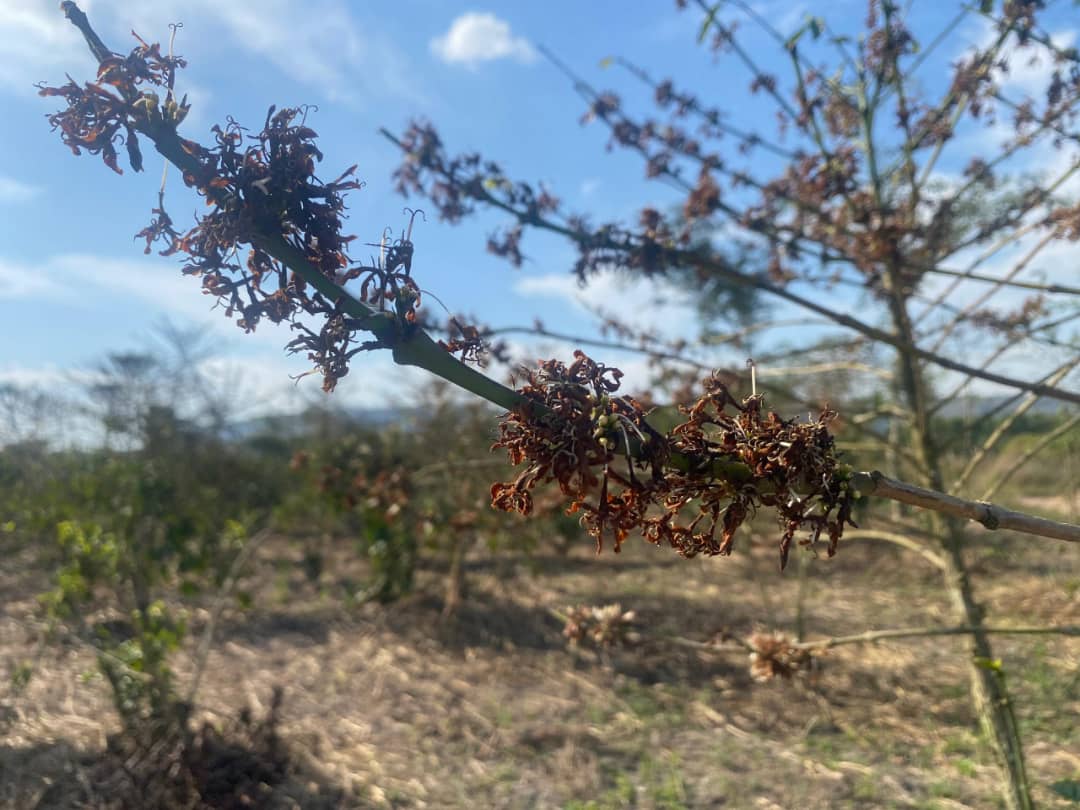
In nearby Kyotera District, Swaibu Mugera, a coffee farmer from Nakasoga village in Nabigasa Sub-county, said the inconsistent rainfall has also affected coffee crops that were just beginning to mature.
“The rains are not coming as expected. The coffee berries are shrinking before they ripen, and the leaves are turning yellow. We had invested in fertilizers, but without enough rain, everything is going to waste,” Mugera explained.
He added that limited rainfall has also affected young coffee seedlings planted to replace those lost during the previous season.
“Last season we lost many of our coffee trees because of too much sunshine, and now the low rains are making things even worse. Even the new seedlings we planted are withering. It’s painful to watch your garden die slowly,” he said.
Agricultural experts note that the Greater Masaka region typically experiences two main rainy seasons — from March to May and from September to November.
However, this year’s second season rains started late, in mid-October, and remained very light, leaving soils dry and crops stunted.
Farmers across the region are now appealing to the government and agricultural agencies to provide irrigation support and drought-resistant seeds to help them cope with the effects of changing weather patterns.
